

En sencha kyusu er en japansk tekande med sidehåndtag, der er specielt designet til brygning sencha . Den giver præcis kontrol over temperatur, trækketid og fuldstændig hældning for en afbalanceret ekstraktion.
Designet understøtter fuld bladudvidelse, jævn varmefordeling og hurtig, fuldstændig dræning ved afslutningen af hver infusion. Disse faktorer påvirker direkte, hvordan sencha smager i koppen.
Små ændringer i temperatur, timing eller hældeteknik kan mærkbart ændre resultatet, hvilket gør kyusu til et vigtigt redskab til ensartet brygning.
Denne guide forklarer, hvordan en sencha kyusu fungerer, hvordan man brygger korrekt, og hvilke variabler der rent faktisk ændrer den endelige kop.
Nio Teas har sammensat en detaljeret guide til sencha -brygning, der er værd at læse sammen med denne, hvis du ønsker en dybere forståelse af bladtyper og høstsæsoner.
Lad os komme i gang!
Sådan brygger du Sencha korrekt i en Kyusu
 Brygning af grøn te i en kyusu følger en simpel, men ubarmhjertig logik. De rigtige ingredienser giver en mærkbart bedre kop te, og de forkerte ingredienser viser sig straks i smagen. At opnå ensartede resultater afhænger af fire variabler: mængden af blade, vandtemperatur, trækketid og hvor meget du hælder op. Er du helt ny til at brygge med løse blade? 👉 Sådan laver du løsbladet te
Bladmængde og vandforhold
Brug 5 gram sencha til 150 ml vand. Dette er standardforholdet for en sencha kyusu , og det gælder uanset om du brygger asamushi eller fukamushi . For få blade giver en tynd, hul kop. For meget uden at justere vandet gør teen skarp og tæt på en måde, der ikke forbedres med en kortere trækhastighed.
En køkkenvægt med 0,1 g præcision giver ensartede resultater, hvor en måleske ikke gør, da forskellige senchas varierer betydeligt i densitet. Hvis du brygger til flere personer, skal du strække både bladet og vandet sammen i stedet for at strække den samme mængde te yderligere.
Vandtemperatur efter Sencha -type
Temperaturen er den variabel, som de fleste begyndere tager fejl af. Kogende vand trækker katekiner ud af bladet med en hastighed, der overdøver umami og sødme. For en standard sencha er 70 grader Celsius det rigtige interval. For en skyggefuld eller særlig sød kultivar, sænkes temperaturen til 60 til 65 grader.
Fukamushi sencha brygges godt ved 60 grader Celsius. Dens dybere dampning har allerede nedbrudt bladcellerne, hvilket betyder, at den ekstraheres hurtigere ved alle temperaturer. En højere varme tilføjer bitterhed snarere end smag.
Den nemmeste måde at opnå den rette temperatur uden en kontrolleret kedel er at hælde kogende vand i dine tekopper for at varme dem op og derefter hælde fra kopperne over i kyusu . Hver omrøring sænker temperaturen med cirka 5 til 10 grader. Hvis du leder efter en fukamushi sencha til at øve denne temperaturkontrol, så prøv Nio Teas ' Henta Sencha Saemidori .
Stejlhedstid og den endelige hældning
En første infusion på et minut fungerer for de fleste standard senchas. Fukamushi -varianter behøver kun 45 sekunder. Ryst ikke gryden, rør ikke i bladene eller løft låget midt i trækningen. Lad teen stå helt uforstyrret.
Når tiden er gået, hældes vandet i kopper i skiftende omgange for at holde koncentrationen lige på tværs af portionerne. Tøm beholderen helt til den allersidste dråbe. De sidste dråber er de mest koncentrerede, og hvis du lader vandet stå, fortsætter bladene med at trække vand ud, og den anden dråbe vil være bitter, før du overhovedet tilsætter frisk vand.
Den anden infusion behøver slet ikke trækketid. Tilsæt vand ved samme temperatur og hæld straks. Bladene er allerede åbne og kan trækkes ud på få sekunder. For en tredje infusion, hæv temperaturen en smule og lad det trække i 30 til 45 sekunder.
Tre variabler, der påvirker smagen mere end du forventer

Dampdybde af bladet
Forskellen mellem asamushi og fukamushi er ikke kun en detalje i forarbejdningen. Den ændrer, hvordan man brygger sencha , og hvad man får i koppen. Asamushi producerer en klar, lys spiritus med en mere defineret aroma og en let græsagtig finish. Fukamushi giver en dybere, uklar grøn kop med en fyldigere krop og mindre astringens. Uklarheden er ikke en fejl. Det er suspenderede bladpartikler, der bærer både farve og smag.
Vandkvalitet
Sencha er delikat nok til, at hårdt eller stærkt kloreret vand mærkbart jævner smagen. Filtreret vand er minimum for gode resultater. Kildevand med et lavt mineralindhold giver renere og lysere kopper. Undgå destilleret vand, som mangler de mineraler, der hjælper med at bringe smagen ind i likøren. Klar til at finde det rigtige blad til din bryg? Køb Sencha hos Nio Teas
Kyusu -materiale og krydderi over tid
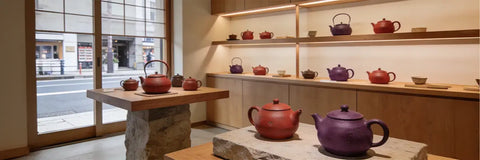
En uglaseret kyusu-tekande , såsom den røde Japansk tekande i ler interagerer med teen på en måde, som glaserede eller porcelænsagtige kander ikke gør. Denne kande bruges udelukkende til én tetype, som vil udvikle en krydret overflade, der afrunder smagen over tid. En glaseret tekande forbliver neutral, hvilket er en fordel, når du skifter mellem forskellige japanske grønne teer eller stadig er ved at finde ud af, hvad du bedst kan lide.
Almindelige fejl ved brug af en Kyusu til Sencha
 Brug af vand, der er for varmt
Dette er den mest almindelige årsag til, at en kop smager bittert. Selv vand ved 29 grader udtrækker katekiner med en hastighed, der overdøver resten af profilen. Løsningen er temperaturen, ikke timingen. Hvis du ikke har et termometer, så lad kogende vand stå i en kølebeholder i to til tre minutter, før du hælder det i sencha kyusu .
Lader vand stå i gryden mellem bryggepladserne
Hvis du ikke hælder den sidste dråbe over, fortsætter bladene med at trække i det resterende vand. Når du vender tilbage til den anden kop, er bladene allerede begyndt at overtrække. Den anden kop vil smage fladt og bittert, uanset hvordan du justerer den næste træk. Hæld vandet helt fra, hver eneste gang.
Forkert filter til Fukamushi Sencha
Et smalt keramisk filter fungerer godt med asamushi sencha , hvis intakte nåle sidder over åbningerne. Fukamushi sencha , med sine fint knuste bladpartikler, vil tilstoppe et keramisk filter og sænke hældningen til næsten ingenting. Hvis du brygger fukamushi regelmæssigt, skal du bruge en kyusu med et cirkulært metalfilter.
Sådan vælger du en Kyusu , der passer til din Sencha

Kapacitet
En kapacitet på 200 til 300 ml er den mest praktiske startstørrelse for en sencha kyusu . Du kan sammenligne hele udvalget af størrelser og stilarter i Nio Teas ' kyusu-tekande for at finde den rigtige, før du køber. Den producerer to til tre små kopper pr. infusion, hvilket er nok til solobrygning med plads til flere genudbrygninger. Større tekander gør det sværere at opretholde standardforholdet mellem blade og vand og gør det vanskeligt at tømme hver dråbe på det rigtige tidspunkt.
Filtertype
Hvis du planlægger primært at brygge asamushi sencha , er et keramisk filter fint. Hvis fukamushi eller gyokuro er din primære japanske grønne te, skal du vælge en kyusu med et metalfilter. En glaseret tekande med et metalfilter er den mest alsidige løsning og den nemmeste for alle, der er nye til sencha kyusu formatet. Hvis du ønsker et bredere overblik over alle japanske tekandestilarter, dækker den ultimative guide til japanske tekande hele landskabet.
Glasur vs. uglaseret
En glaseret kyusu er det fornuftige valg, hvis du skifter mellem forskellige tetyper, for eksempel ved at skifte mellem en delikat sencha og en mere tilgivende Bancha , som brygger godt ved højere temperaturer og kræver mindre præcis timing. En uglaseret tekande bør være dedikeret til én tetype for at forhindre smagsoverførsel mellem bryggningerne. Begge typer fungerer godt, når de bruges korrekt.
Afsluttende tanker
sencha kyusu er ikke et kompliceret redskab. Men den belønner konsistens på en måde, som et krus eller en stor vestlig tekande ikke kan matche. Den kompakte størrelse, den præcise hældning og det indbyggede filter arbejder sammen for at holde temperatur, tid og dræning under kontrol.
De fleste, der skifter fra en standard infuser til en dedikeret sencha kyusu bemærker forskellen allerede i den første kop. Teen smager renere, bladets sødme træder tydeligere frem, og genudblødningen bliver mere pålidelig end uforudsigelig.
Hvis du udforsker sencha for første gang, så start med en Sencha Shizuoka Yamaga no Sato fra Nio Teas . En sencha kyusu form, filter og hældestil bidrager alle til en renere og mere afbalanceret kop.
Når du først forstår, hvordan du bruger den korrekt, bliver selv små justeringer i blade, vand eller timing lettere at kontrollere, hvilket fører til en mere ensartet og bedre smagende te. Er du ikke sikker på, hvor du kan finde sencha at prøve i din kyusu ? 👉 Hvor kan man købe Sencha -te

Kommentarer (0)
Der er ingen kommentarer til denne artikel. Vær den første til at lægge en besked!